Key Results

#7→#2
Brand Recall
among Millennial moms
#7→#4
Most Trusted Brand
-40–50%
Marketing & Creative Costs
-33%
Time-to-Market
+13%
Employee Engagement
YoY
-56%
Packaging Costs
with +33% more volume
#1
LeapFrog Epic
kids tablet at Target & Walmart within 3 weeks of launch

This Case Study Answers

  • How do you win a new generation of customers for a legacy brand?
  • How do you compete when tech giants enter your category?
  • How do you cut marketing costs while improving results?
  • How do you turn around a demoralized marketing organization?
Greg AhearnChief Marketing Officer, LeapFrog Enterprises (Acquired by VTech)
Dave is the unique combination of creative talent and business sense… No task was ever too big or timeline too aggressive. He was the person I would go to when I had to “make it happen.”

What Happened

The Challenge

LeapFrog's customer base churns structurally—every 5–7 years, children age out and the brand must win over an entirely new generation of parents. Despite strong historical equity, brand trust and recall among Millennial moms had fallen to #7 in a category now attracting Amazon, Samsung, and Nabi as direct competitors. Sales across all retail channels were declining.

Internally, the organization had accumulated years of dysfunction: no documented production processes, no clear ownership or approval chains, and a demoralized creative and marketing team working nights and weekends to meet impossible deadlines. Employee engagement was among the lowest the leadership team had ever encountered at any company.
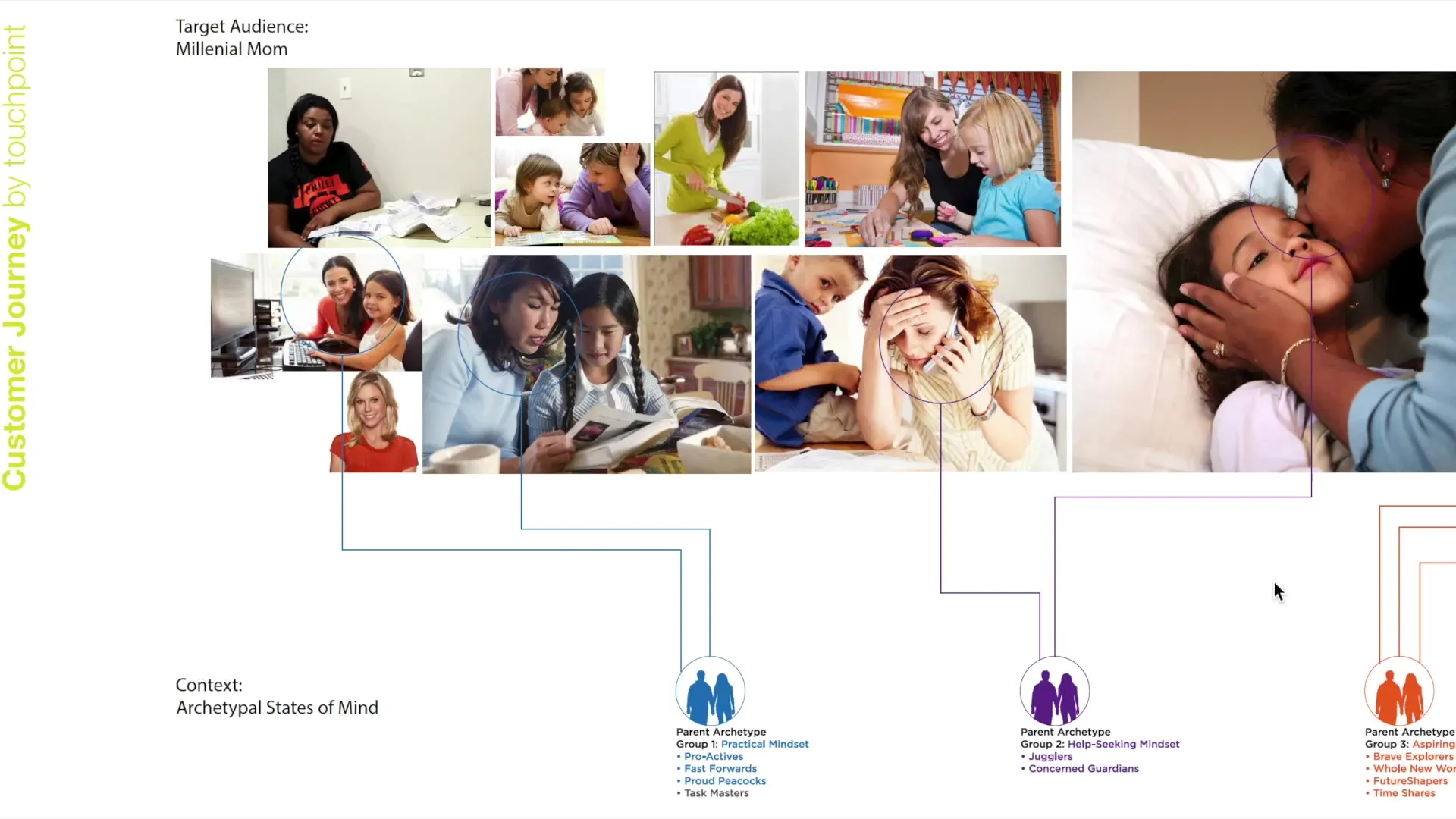
LeapFrog customer journey mapping by touchpoint for the Millennial mom target audience

Brand Audit, Positioning & Go-to-Market Strategy

With leadership aligned on the scale of the challenge, I led a comprehensive brand audit and repositioning built around deep consumer insights. The core strategic shift: move from promotional, feature-led campaigns back to LeapFrog's original brand promise—helping parents make learning fun for kids.

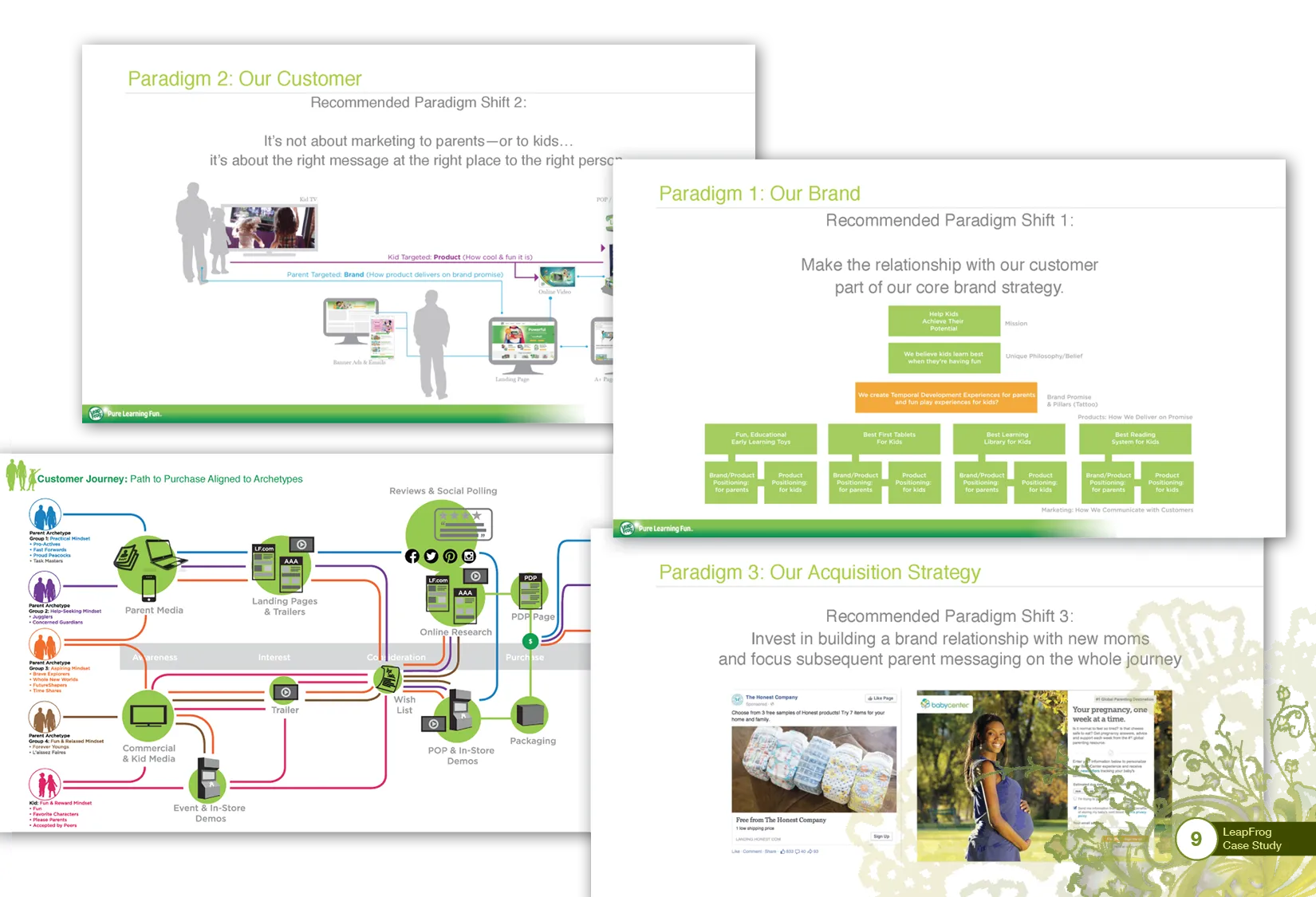
Research-driven customer archetypes mapped how Millennial moms discovered, evaluated, and purchased across every funnel stage. Media, influencers, community management, and creative execution were unified under a single go-to-market framework for the first time. The resulting masterbrand platform—"LeapFrog Ahead"—gave every product launch and campaign a shared strategic anchor. Within the first year, brand perception improved across every tracked dimension: 93% of moms rated LeapFrog products as high quality (up 6%), and brand trust improved from #7 to #4.

LeapFrog brand strategy paradigm shifts covering brand, customer and acquisition strategy

Rebranding, UX & Campaign Development

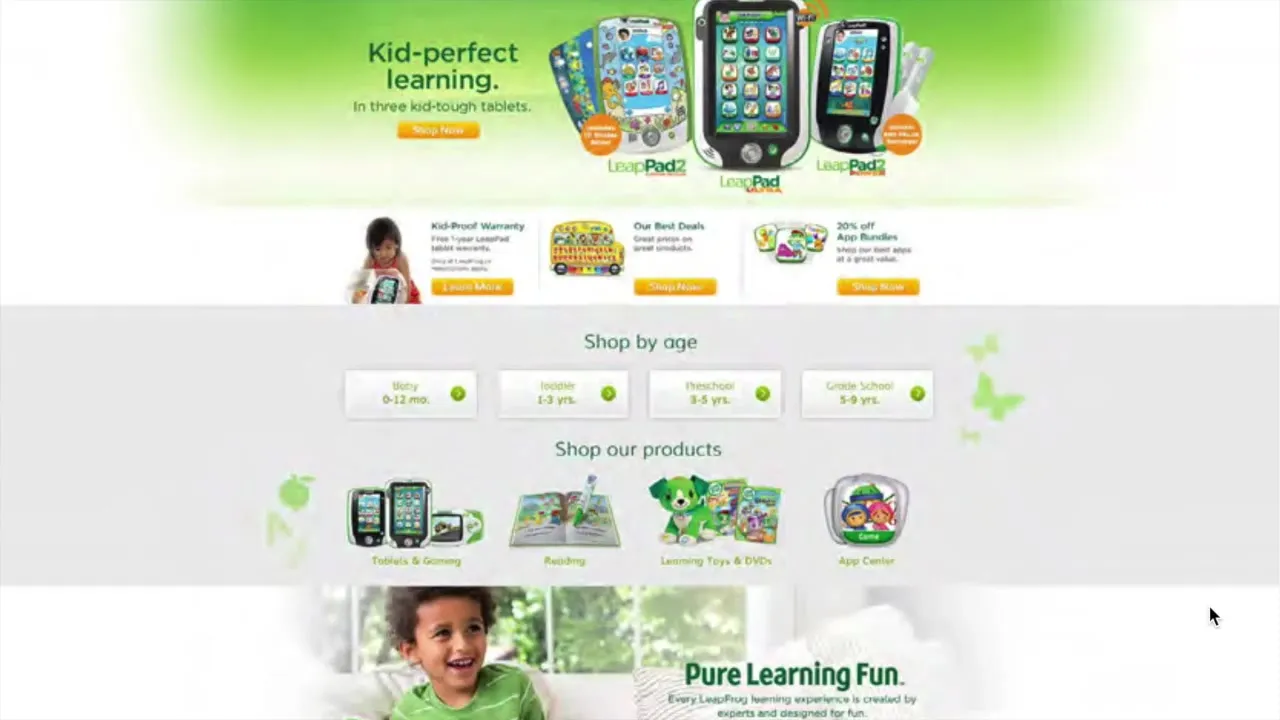
With strategy in place, I oversaw a full rebuild of LeapFrog's brand and digital experience. LeapFrog.com was redesigned around the parent's perspective—navigation shifted from product-line-based to child-development-based (by age and learning level), messaging moved from feature-driven to child-development-focused, and imagery shifted from product-centric to child and family-centric.

The "LeapFrog Ahead" campaign—developed with agency partner Occam—delivered immediate results: CTRs increased 6% YoY, email CTA conversions rose 13%, and every launch campaign outperformed retailer benchmarks. Cost per click fell 6%. By year two, brand recall had risen from #7 to #2 among Millennial moms (PiperJaffray), commercial production costs were cut by 50%, and major competitor VTech exited the children's tablet category entirely.

Redesigned LeapFrog.com homepage with navigation organised by child age and learning level

Execution Highlights

Key disciplines applied: masterbrand strategy and positioning, consumer insights-driven GTM planning, UX and creative overhaul, global packaging and retail operations, video production strategy, KPI framework development, and executive leadership of a global creative and marketing organization producing 500+ campaigns and 200+ SKUs annually.

Retail, Packaging & Operational Transformation

LeapFrog produced over 200 packaging SKUs annually with no documented process—every deadline was a crisis. I built the organization's first end-to-end production system: RACI ownership models, standardized approval workflows, and gantt-based scheduling across all product launches. A style guide-based creative approach shifted 60% of production work to lower-cost teams while freeing senior creatives for high-impact new platform launches.

Results were immediate and durable: packaging costs fell 56% despite a 33% increase in work volume, time-to-market dropped 33%, and localization costs fell 15%. A new global DAM system reduced asset transfer time from 8 hours to 30 seconds, freeing 20% of weekly production capacity. New operational systems—time tracking, budget management, approval platforms—reduced spend while improving throughput. This marked the first year in company history that freelance and temp spending came in under budget.

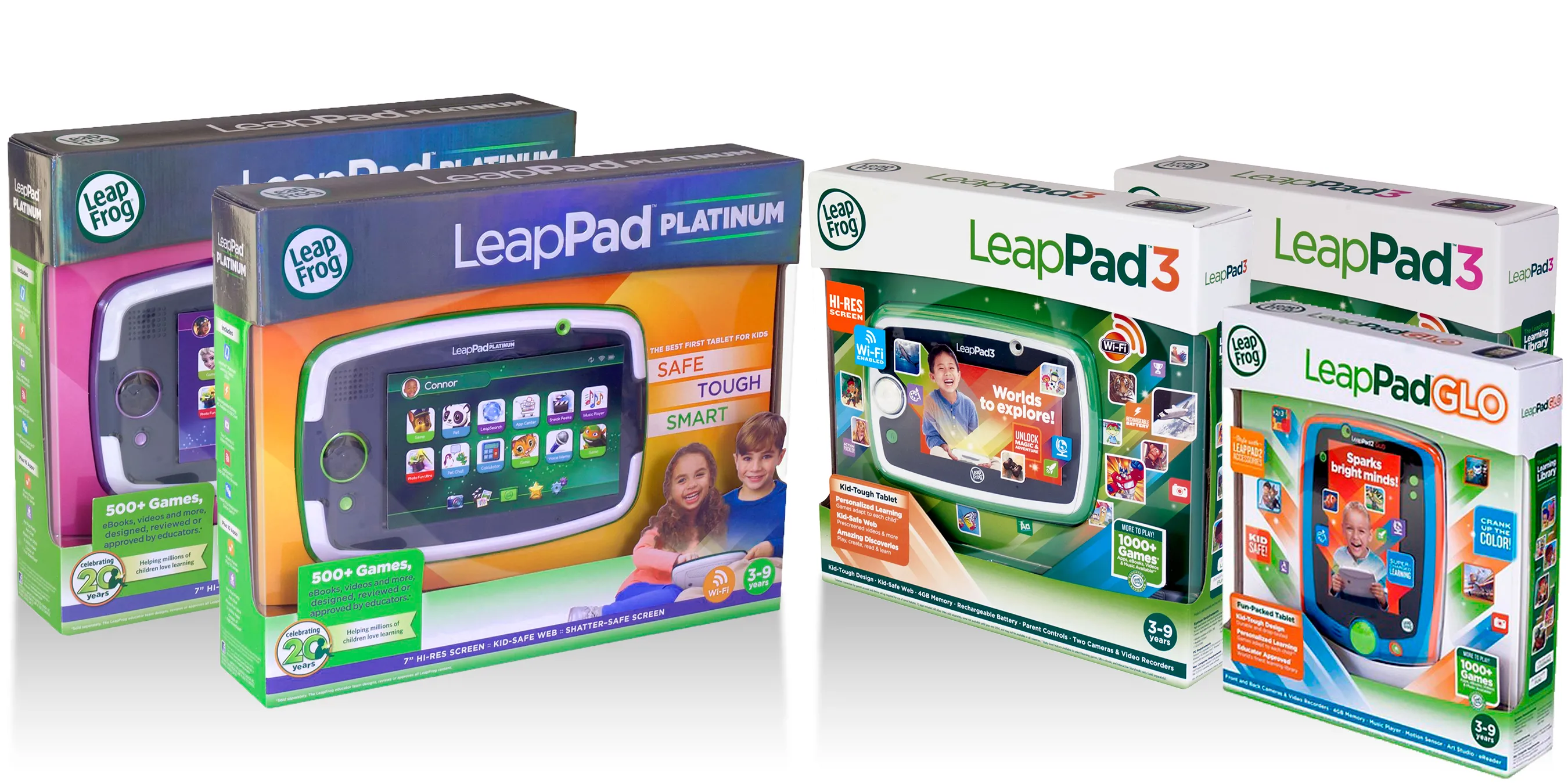
Before and after comparison of LeapPad retail packaging redesign

Business Results

Brand & Market: Brand recall #7 → #2 among Millennial moms (PiperJaffray). Most trusted brand #7 → #4. LeapFrog Epic became the #1-selling kids tablet at Target and Walmart within 3 weeks of launch. Competitor Nabi rapidly lost market share; VTech exited the children's tablet category.

Marketing Efficiency: Creative and marketing costs reduced 40–50%. Time-to-market reduced 33%. B2B pitch video costs cut 60%—with 100% sell-in rate to top 3 retailers. Campaign ROI and engagement improved across all channels.

Operations & Culture: Packaging costs -56% with +33% more volume. Employee engagement +13% YoY. Process systems implemented became the company-wide standard for marketing execution. First year in company history that freelance spending came in under budget.

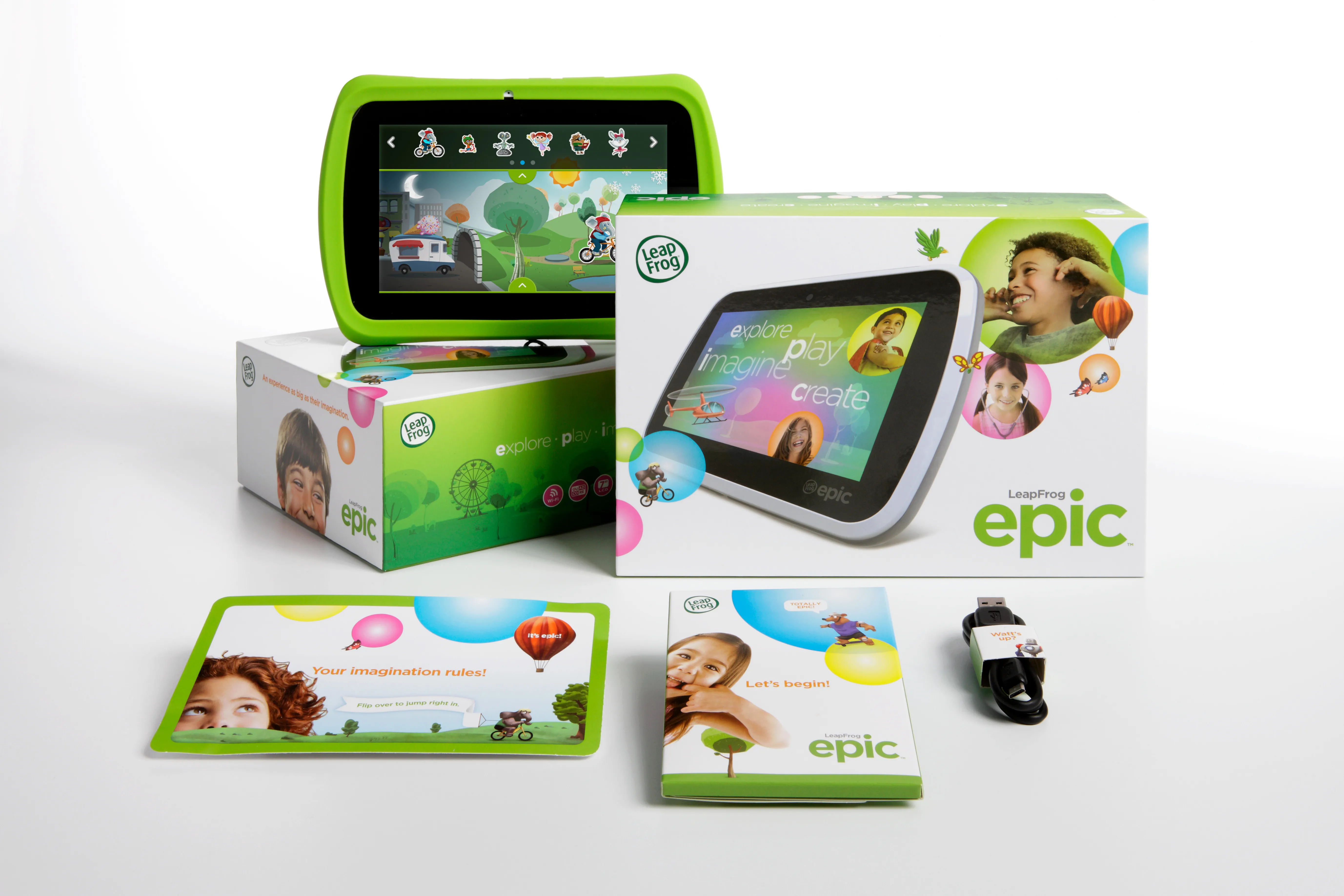
LeapFrog Epic tablet with retail packaging, the number one selling kids tablet at Target and Walmart